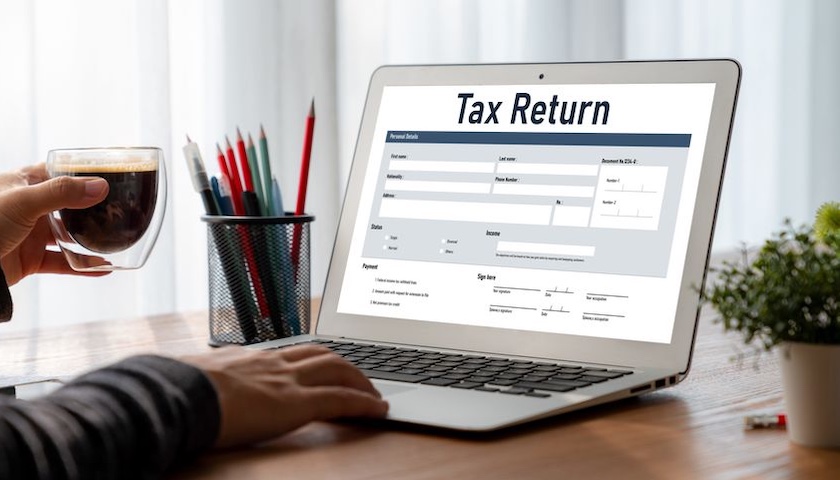
Self Assessment payments on account: could tax become monthly or quarterly?
HMRC is consulting on changes that could move Self Assessment tax payments closer to payday from April 2029.
Some taxpayers may have extra Self Assessment tax collected through PAYE.
This could apply where someone files a tax return because they have untaxed income, such as self-employment profits, rental income, dividends or savings income, but also receives enough salary or pension income for HMRC to collect the extra tax through their tax code.
For others, Self Assessment payments on account could become more frequent. HMRC is considering whether some taxpayers should pay directly towards their tax bill monthly or quarterly, rather than through the current January and July payment pattern.
The proposals are part of HMRC’s “timely payments” consultation for Income Tax Self Assessment.
The aim is to reduce the gap between earning income and paying tax on it. This may help some taxpayers to budget. However, it could also create cash-flow pressure, especially for people with seasonal income, uneven profits, or multiple sources of income.
In this article, we explain how Self Assessment payments on account work now, what HMRC is considering, and why the transition to any new system will need careful planning.
What are Self Assessment payments on account?
Payments on account are advance payments towards your next Self Assessment tax bill.
At the moment, many Self Assessment taxpayers make two payments each year:
- The first by 31st January
- The second by 31st July
Each payment is usually half of the previous year’s relevant tax bill.
For example, if your previous year’s Self Assessment bill was £6,000, HMRC may ask you to pay £3,000 by 31st January and £3,000 by 31st July towards the next year’s bill.
You may also need to make a balancing payment by 31st January if the two payments on account do not cover the final amount due.
Payments on account normally apply if your previous year’s Self Assessment bill was more than £1,000, unless at least 80% of your tax was collected at source. This often means PAYE.
Why is HMRC looking at the rules?
Under the current system, there can be a long gap between earning income and paying the tax on it.
For some taxpayers, this creates a large January or July bill. That can be hard to manage if the money has already been spent, profits have fallen or cash flow is tight.
HMRC wants to reduce this problem by bringing tax payments closer to real time.
The proposals are about when tax is paid, not whether the overall tax bill goes up. However, timing still matters. Paying the same tax earlier can affect cash flow, savings, drawings, dividends and business spending.
What could change from April 2029?
HMRC is looking at two broad groups of Self Assessment taxpayers.
The first group consists of people who file a Self Assessment tax return and also have sufficient PAYE income.
This could include people who have a job or pension, but also receive untaxed income from:
- Self-employment
- Property
- Dividends
- Savings
- Other sources
From April 2029, HMRC may collect some taxpayers’ estimated Self Assessment tax through PAYE during the tax year.
In practice, this means extra tax could be deducted from their salary or pension each payday.
The second group is people who cannot pay Self Assessment through PAYE. This may include many sole traders, partners and landlords whose income is not mainly taxed at source.
For this group, HMRC is considering more frequent direct payments.
These could be monthly or quarterly Self Assessment payments on account. The detail has not been finalised.
Why could PAYE collection be a problem?
The main risk is that HMRC may base deductions on an estimate.
If someone’s Self Assessment income is stable, this may be reasonably straightforward. However, many taxpayers do not earn the same amount every year.
A PAYE deduction based on the latest filed tax return may not reflect:
- Falling profits
- A one-off dividend
- A change in rental income
- Seasonal self-employed income
- A large business expense
- A change in pension income
HMRC says taxpayers should be able to update the estimate if their circumstances change. Even so, the proposal would make accurate records more important throughout the year, not just when the tax return is due.
Why might monthly or quarterly payments still cause problems?
More frequent payments could help some taxpayers spread the cost of tax.
However, a smoother payment timetable does not automatically mean smoother cash flow.
A taxpayer may still have to make payments before money is available. This could be an issue if their income is uneven, clients pay late, expenses come in batches, or repairs to a landlord’s rental property reduce the cash left from income.
The question is not just how often taxpayers pay. It is whether the payment timetable reflects how their income is actually received.
This will matter if HMRC decides to replace the current January and July payments on account with monthly or quarterly payments.
The transition year could be the difficult part
The biggest cash flow issue may come when the system changes.
If new rules begin in April 2029, some taxpayers may still be paying tax under the old Self Assessment timetable for 2028/29. At the same time, they may start making forecast payments for 2029/30 under the new system.
This could mean two payment patterns overlapping.
HMRC recognises this issue in the consultation. The government is considering how to make the transition smoother.
Possible support could include voluntary pre-payments, Budget Payment Plans, or ways to spread some previous-year liabilities over a longer period.
This is the part to watch closely.
Even if the total tax due does not increase, switching from one payment schedule to another could put pressure on cash flow.
How does this link to Making Tax Digital?
Making Tax Digital for Income Tax is a separate change.
It will require many sole traders and landlords to keep digital records and send quarterly updates to HMRC.
Quarterly updates are not the same as quarterly tax payments.
However, the two reforms point in the same direction. HMRC wants tax records, income reporting, and payments to move closer to real time.
This means taxpayers may need a clearer view of their tax position during the year, not just after the year has ended.
Good bookkeeping will become more important. So will early tax planning.
Who should pay attention?
The proposals could matter if you:
- File a Self Assessment tax return
- Also receive PAYE income
- Earn income from property, dividends or self-employment
- Currently make payments on account in January and July
- Have seasonal or irregular profits
- Struggle to set money aside for tax
- Expect your income to change before 2029
- Are moving into Self Assessment for the first time
Employers may also need to keep an eye on the details. If more Self Assessment tax is collected through PAYE, some employees may ask why their take-home pay has changed. Payroll teams may also have more tax code changes to process.
Some smaller employers could also be affected if additional deductions push their PAYE payments above the quarterly payment threshold to HMRC.
What should taxpayers do now?
You do not need to change your Self Assessment payments on account yet.
The consultation runs from 23rd June 2026 to 4th August 2026. The government expects to publish a response in Autumn 2026, with legislation to follow before implementation in April 2029.
However, it is worth preparing for the potential changes.
You can start by keeping your records up to date. If future payments are based on forecasts, accurate information will matter.
You should also think about cash flow. Tax is easier to manage when money is set aside as income is earned.
Filing your tax return earlier can also help. It gives you more time to understand the bill, correct estimates and plan payments.
If your income changes from year to year, advice may be especially important. This includes landlords, sole traders, consultants, company directors, partners and people with several income sources.
HMRC already allows some taxpayers to make voluntary weekly or monthly payments through a Budget Payment Plan. This does not replace formal payments on account, but it can help spread the cost if you are up to date with previous tax bills.
Need help planning for Self Assessment payments on account?
Self Assessment payments on account can already create cash flow pressure. If the 2029 changes go ahead, timing may become even more important.
This could be especially true if your income is seasonal, your profits vary from year to year, or you have both PAYE and Self Assessment income.
THP can help you understand your current Self Assessment payments on account, estimate future tax liabilities, and plan for possible changes before they affect your cash flow.
If you have any queries about your Self-Assessment Tax Return, or want to know how the proposed changes could affect you, please contact a member of the THP team today. They’d be delighted to help you.

About Karen Jones
Having worked for one of the world’s largest accountancy firms, Karen Jones uses her tax knowledge and skills to help clients obtain substantial reductions to their tax liabilities.
With an expanding portfolio of tax clients, Karen enjoys the variety her work brings her and particularly likes working with new businesses and people. With a growing number of tax clients, she frequently faces a variety of challenges and relishes the experience she gains as she solves them.
Karen likes the THP ethos: “I like the way the team has a professional, but friendly and down-to-earth approach – it creates a productive atmosphere that benefits everyone.”
Karen’s specialist skills:
- Personal Taxation
- Tax Efficient Planning
- Trust Administration
Related Posts
Lifetime gifts and Inheritance Tax: how to notify HMRC

Free MTD software for THP clients

CGT and gold: what you need to know
VAT invoice requirements – don’t let your claims get rejected!

Why are landlords selling up – and is buy-to-let still worth it?