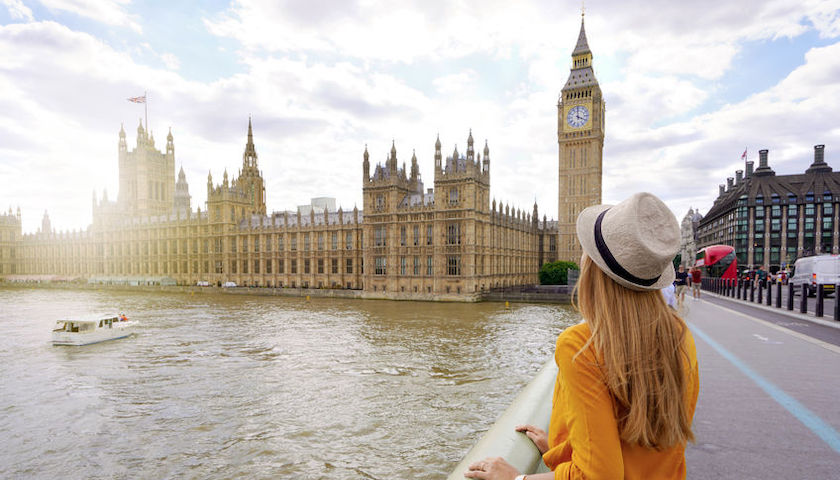
Autumn Budget 2026: what you need to know
Another Chancellor, another Budget.
Today, John Healey unveiled his first major fiscal statement. It was also the first to take place under Prime Minister Andy Burnham’s leadership.
As has become common, we already knew some of the details before the Chancellor reached the despatch box. First, he had already promised to keep the borrowing rules he inherited from Rachel Reeves. Second, he had said he’d cut business rates by a fifth for pubs, clubs and live music venues. Third, VAT on household electricity bills had already been cut, from the beginning of October. And on the morning of the Budget, the Treasury confirmed that he would ask Ofgem, the energy regulator, to remove standing charges from household gas bills.
But not everything was trailed in advance. When the Chancellor announced a £100 energy payment for households in council tax bands A to D, so many people rushed to check whether they would qualify that the Government’s online council tax band checker went down before he had finished speaking.
So, what were the actual announcements, and how will they affect you? We listened to the Budget as it happened, and have summarised the key information below.
What was in the Autumn Budget 2026?
- Property and savings income: tax rates rise by a further two percentage points from April 2027, to 24%, 44% and 49%.
- Business Asset Disposal Relief: the lifetime limit is halved from £1 million to £500,000 from April 2027.
- Taking profits out of companies: the rules on company distributions will be reformed from April 2028, with protection for families passing on their business.
- Trading allowance: tripled from £1,000 to £3,000 from April 2027.
- Mileage rates: the 55p rate for the first 10,000 business miles is made permanent, and the rate above that rises from 25p to 35p from April 2027.
- National Living Wage: up 3.9% to £13.21 an hour from 1 April 2027.
- Business rates: 70,000 more retail, hospitality and leisure businesses will pay no business rates from April 2027.
- Energy: a one-off £100 payment from January 2027 for up to 20 million households in England in council tax bands A to D, and VAT kept off household electricity bills until July 2027.
- Cash ISAs: the planned cut to the cash ISA limit has been scrapped, so it stays at £20,000.
The economic outlook
The Office for Budget Responsibility (OBR) now expects the economy to grow by 1.2% in 2026, slightly up from the 1.1% it forecast in March. But it has cut its forecast for 2027 from 1.6% to 1%, as higher energy prices and interest rates weigh on households and businesses. It expects growth to pick up again to 1.6% in 2028.
For individuals and families
Income Tax
The trading allowance will triple from £1,000 to £3,000 a year from 6 April 2027. This is the amount of income you can receive from self-employment or casual trading, such as selling goods online or doing occasional freelance work, without paying tax on it.
A new Pension Tax Allowance will apply from 6 April 2027 to 5 April 2030. From April 2027, the full new State Pension will rise to £13,036 a year, which is more than the £12,570 Personal Allowance. Without this change, pensioners living only on the State Pension would have started paying Income Tax – around £93 a year. Under the new allowance, pensioners over State Pension age whose total income, from any source, is no higher than the full new State Pension will not pay Income Tax. For those with incomes just above that level, the allowance will be gradually withdrawn. Around a million pensioners are expected to benefit.
As announced in last year’s Budget, Income Tax thresholds remain frozen until April 2031. As incomes rise, more people will pay Income Tax and more will pay it at the higher and additional rates.
Household energy bills
Up to 20 million households in England in council tax bands A to D will receive a one-off £100 Household Energy Payment from January 2027. It will be paid directly into bank accounts, through the council tax system, rather than taken off energy bills. The scheme will cost £2.6 billion. The Scottish, Welsh and Northern Ireland governments will receive a share of the funding, and the Chancellor called on them to make similar payments.
If you are not sure which band your home is in, you can check it on GOV.UK at Check your Council Tax band. The service has been busy today, so you may need to try again later. Your band is also shown on your annual council tax bill.
Standing charges will be removed from household gas bills for around 23 million homes. The Chancellor will ask the energy regulator, Ofgem, to remove them in 2027 or as soon as possible after that. The typical household currently pays £108 a year in gas standing charges.
The cost does not disappear. It will be added to the price per unit of gas instead. The Treasury estimates that this could save around 60% of households an average of £45 a year. The remaining households, generally those that use more gas, may not see a saving, and the Government has said it will set out targeted support for a small number of them. The Chancellor said “similar reforms” would follow for electricity bills.
The removal of VAT from household electricity bills will be extended to July 2027. The cut took effect at the beginning of October and was due to end in March 2027. The Government expects the extension to take around £50 off the annual price cap in April 2027. The cut has not been made permanent.
Carers and parents
The Carer’s Allowance “cliff edge” will end. At the moment, unpaid carers lose their entire allowance if they earn even a penny over the weekly earnings limit. Instead, earnings above the limit will reduce the allowance gradually. This will be introduced during 2030-31.
A new Parental Allowance will be introduced from April 2029 for fathers, partners and adopters in Great Britain. For the first time, this will include self-employed fathers and partners.
Savings and ISAs
The planned cut to the cash ISA limit will not go ahead. In last year’s Budget, the previous Chancellor announced that from April 2027, savers under 65 would only be able to put £12,000 a year into a cash ISA. That change has been scrapped, so savers will still be able to put up to £20,000 a year into a cash ISA.
Tax on savings income will rise by a further two percentage points from 6 April 2027. Last year’s Budget had already announced a two-point rise from that date. Taken together, the rates on savings income will be 24% at the basic rate, 44% at the higher rate and 49% at the additional rate. Savings held in ISAs are not affected.
Buying a first home
A new Your First Home scheme will offer 20% equity loans to around 70,000 first-time buyers in England from April 2027. A new First Time Buyer ISA will replace the Lifetime ISA for new savers from 6 April 2029. In the meantime, the penalty for withdrawing money from a Lifetime ISA to buy a home costing more than £450,000 will fall from 25% to 20% from 29 October 2026.
Pensions and Inheritance Tax
The State Pension triple lock will be adjusted from the next Parliament. The triple lock currently increases the State Pension each April by the highest of earnings growth, inflation or 2.5%. Once the adjusted version is introduced, the State Pension will rise every year but will track earnings over time. The Government estimates this will reduce State Pension spending by £15 billion a year by the late 2030s. The savings will help fund a new National Care Service in England, providing personal care free at the point of use.
From today, pension death benefits will no longer become taxable simply because they are paid more than two years after the member’s death. This applies to payments made on or after 28 October 2026.
As announced in last year’s Budget, most unused pension funds and death benefits will fall within the scope of Inheritance Tax from 6 April 2027. From April 2029, pension contributions made through salary sacrifice above £2,000 a year will no longer be exempt from National Insurance.
For business owners and employers
Taking profits out of your company
The rules on the tax treatment of company distributions will be reformed from April 2028. The Chancellor said he was changing “outdated rules” so that “people taking profits out of their companies are taxed consistently”. The Budget documents say the aim is consistent treatment “regardless of legal form, company residence or transaction structure”.
Before the Budget, there were reports that the Government was looking at how company share buybacks are taxed. The Budget documents say the reforms are designed to protect capital treatment for “genuine changes in ownership, including families passing down their business”, and that relief for some demergers may become more generous. Draft legislation will be published for consultation in 2027.
If you are planning to sell, restructure or pass on a family company, or to take money out of it through a share buyback, this change could affect you. There is time to plan, but we recommend speaking to us before going ahead with any transaction.
As announced in last year’s Budget, dividend tax rates rose by two percentage points from 6 April 2026, to 10.75% at the basic rate and 35.75% at the higher rate. The additional rate remains 39.35%.
Capital Gains Tax and selling a business
The lifetime limit for Business Asset Disposal Relief (BADR) will be halved, from £1 million to £500,000, from 6 April 2027. BADR reduces the rate of Capital Gains Tax on qualifying gains when you sell all or part of your business, currently to 18%. Gains above the new limit will be taxed at the normal rates of Capital Gains Tax, which is 24% for higher and additional rate taxpayers.
That means someone who makes a qualifying gain of £1 million or more could pay up to £30,000 more in Capital Gains Tax than under the current rules. The Government says three-quarters of BADR claimants will still receive relief on their entire gain.
If you are planning to sell your business, the timing of the sale may now matter. Please speak to us before going ahead.
At the other end of the scale, a new Founders’ Relief will be introduced from 6 April 2027. It will offer a 10% rate of Capital Gains Tax on up to £10 million of lifetime gains for qualifying founders of “high-growth, innovative companies”. The Government has launched a technical consultation on the detailed design.
For people starting out, the Government will pilot a Young Entrepreneurs Allowance in England, giving successful applicants support towards their living costs during the first year of their business. There will also be a new scale-up programme for women founders, and the Chancellor said the British Business Bank would double its commitments to funds for women-led businesses, to £200 million.
Business rates
The threshold for Small Business Rate Relief for retail, hospitality and leisure businesses will rise from a rateable value of £12,000 to £18,000 from 1 April 2027. The upper limit for tapered relief will rise from £15,000 to £21,000. The Chancellor said this would take 70,000 more businesses out of business rates altogether, meaning half of all shops, restaurants and gyms will pay no business rates. The £12,000 threshold has been frozen since 2017, so the increase largely restores the value it has lost to inflation.
Other retail, hospitality and leisure businesses will have their bills frozen in real terms for two years. Around 37,000 small and independent ratepayers in England will also continue to receive protection under the Supporting Small Business scheme for a further year.
As previously announced, business rates relief for pubs, social clubs and live music venues will increase by 20 percentage points, to 35%, from 1 April 2027.
To help pay for this, vape shops and adult gaming centres will lose their business rates reliefs from 1 April 2027, and Machine Games Duty on higher-stakes machines will rise from 20% to 25%. The 1p Transitional Relief Supplement will also be extended for two years from 1 April 2027. This is paid by businesses whose bills would otherwise rise by less than the Transitional Relief and Supporting Small Business caps.
As part of wider plans to shift power from Westminster, mayors will keep a 20% share of locally retained business rates from next year, and local and regional government will retain 100% of business rates income by the end of the decade. Mayors will also receive a share of Income Tax receipts from 2028.
Investment and capital allowances
The main rate first-year allowance will increase from 40% to 50% for qualifying expenditure on plant and machinery from 1 January 2027. At the same time, the main rate writing-down allowance will fall from 14% to 12%, from 1 April 2027 for Corporation Tax and 6 April 2027 for Income Tax. In practice, more tax relief will be available in the year you invest, and less in later years.
Share option schemes: the Company Share Option Plan, which will be renamed Enterprise Management Incentives 2 (EMI2), will be expanded from 6 April 2027. The individual option limit will double from £60,000 to £120,000, the exercise period will be extended from 10 to 15 years, and employees will be able to receive the full amount of options under both EMI and EMI2.
R&D tax relief: the Claim Notification Form will be removed from 1 April 2027, and the Additional Information Form will be simplified from autumn 2027.
Finance for smaller businesses: a further £20.4 billion will go to the National Wealth Fund and the British Business Bank over the coming years, and the Growth Guarantee Scheme will be expanded to support £6.5 billion of additional lending to small and medium-sized businesses across this Parliament.
Other business measures
A new British Industrial Competitiveness Scheme will pay 25% of the electricity bills of 10,000 firms that the Government describes as “at the heart of British industry”, from 1 April 2027. Eligible businesses will also receive a backdated payment.
An overnight visitor levy: the Government plans to legislate so that mayors and other strategic authorities can introduce an overnight visitor levy – often called a tourist tax. The Chancellor said the power would apply from 2028. If your area introduces one, it may affect hotels, guest houses and holiday let businesses.
Small alcohol producers: Small Producer Relief in Alcohol Duty will become more generous from 1 February 2027, worth £10 million a year to more than 2,000 small producers across the UK.
Import tariffs: tariffs will be suspended on 101 food products, kerosene heating oil and fertiliser from 26 November 2026, which will help farmers and households that heat their homes with oil. Tariffs on a range of products used by businesses have also been suspended or extended. Together with simpler reporting requirements and other cuts to paperwork, the Government says these changes are worth £800 million a year to businesses.
Banks: the bank surcharge, an additional tax on bank profits above £100 million, will rise from 3% to 6% from 1 January 2027 to 31 March 2028, to help pay for the Household Energy Payment.
Employers
From 1 April 2027, the National Living Wage for workers aged 21 and over will rise by 3.9%, from £12.71 to £13.21 an hour. The National Minimum Wage will rise by 3.9% to £11.27 an hour for 18 to 20-year-olds, and to £8.31 an hour for 16 and 17-year-olds and eligible apprentices. The accommodation offset will rise to £11.53 a day. The Government says around 2.3 million workers will benefit.
Employers should factor the new rates into their payroll budgets now. The increase also affects employer National Insurance contributions, which rise with pay.
The Chancellor also said the Government would “act soon” on pay transparency in job adverts, as part of efforts to close the gender pay gap.
For landlords and property owners
Tax on property income will rise by a further two percentage points from 6 April 2027. Last year’s Budget had already announced separate rates for property income of 22%, 42% and 47% from that date. Following today’s announcement, the rates will instead be 24% at the property basic rate, 44% at the property higher rate and 49% at the property additional rate. These rates apply in England, Wales and Northern Ireland.
That means a basic rate landlord will pay 24% on their rental profits from April 2027, compared with 20% now.
The Government will also consult on expanding the information that third parties, such as letting agents, must report to HMRC about property income.
As announced in last year’s Budget, the High Value Council Tax Surcharge, an annual charge on homes in England worth £2 million or more, takes effect from April 2028.
Other measures
Motoring
The 5p cut in Fuel Duty has been extended to 1 July 2027, and the planned inflation-linked increase has been deferred to the same date. The 3.7p cut in the duty on red diesel has also been extended to 1 July 2027. The Government says this is a response to higher fuel prices caused by the war in the Middle East.
The tax-free mileage rates for people who use their own car or van for work are going up. The 55p a mile rate for the first 10,000 business miles, which took effect on 6 April 2026, will be made permanent. The rate for business miles above 10,000 will rise from 25p to 35p a mile from 6 April 2027.
The rates apply to both employees and the self-employed. The Treasury estimates that someone driving 6,000 business miles a year will save £120 a year in tax, and someone driving 15,000 business miles up to £300.
VAT
From 1 October 2027, online marketplaces will be responsible for collecting VAT on sales by UK businesses that sell more than £90,000 a year through that marketplace. Similar rules have applied to overseas sellers since 2021.
From 2 January 2028, larger private hire vehicle operators will have to charge VAT on the full value of their fares. The Government will consult on which operators this covers, with annual fare turnover above £50 million as its preferred option. Smaller operators will not be affected.
HMRC and Self Assessment
From April 2029, Self Assessment taxpayers who make payments on account will make smaller, more regular payments towards their tax bill during the year, rather than two large payments. The Government says this will reduce the risk of large, unexpected tax bills.
HMRC will receive a new power to recover lower-value tax debts in regular instalments directly from the bank accounts of individuals and companies who can afford to pay but repeatedly fail to do so. This will apply from July 2029, with safeguards to be set out in a Code of Practice.
From 6 April 2027, people joining Making Tax Digital for Income Tax will benefit from a 12-month easement on penalties. As previously announced, Making Tax Digital for Income Tax applies to sole traders and landlords with qualifying income over £50,000 from April 2026, over £30,000 from April 2027 and over £20,000 from April 2028.
From 6 April 2028, the £2,500 threshold above which employees must use Self Assessment to claim employment expenses will be removed.
What happens next?
Most of today’s measures will not take effect until next April or later, and several will need legislation or consultation first. That leaves time to plan. But some decisions – particularly around selling a business, taking money out of a company and rental income – may be worth reviewing before the changes take effect.
If you would like to talk through what the Budget means for you, your business or your family, contact your usual THP adviser.

About Ben Locker
Ben Locker is a content marketing consultant and copywriter and who specialises in professional services and B2B marketing, writing about everything from software and accountancy to construction and power tools. He co-founded the Professional Copywriters’ Network, the UK’s association for commercial writers, and is named in Direct Marketing Association research as ‘one of the copywriters who copywriters rate’.
More posts by Ben LockerRelated Posts

Double cab pick-up tax rules
Spring Statement 2026: what it means for you
Budget 2025 tax changes: key dates and what they mean for you

Budget 2025: what does it mean for you?
Pension thresholds and how to make the most of them